ORIGINAL ARTICLE
VALIDITY OF A NURSING PROTOCOL FOR CRITICALLY ILL PATIENTS WITH TRACHEOSTOMY UNDERGOING INVASIVE MECHANICAL VENTILATION
VALIDADE DE PROTOCOLO DE ENFERMAGEM A PACIENTES CRÍTICOS COM TRAQUEOSTOMIA EM VENTILAÇÃO MECÂNICA INVASIVA
VALIDEZ DE UN PROTOCOLO DE ENFERMERÍA PARA PACIENTES CRÍTICOS CON TRAQUEOSTOMÍA EN VENTILACIÓN MECÁNICA INVASIVA
1 Fernando Conceição de Lima
2 Lívia dos Santos da Silva
3 Ravenna Cardoso dos Santos
4Taís dos Passos Sagica
5Antonio Jorge Silva Correa Júnior
6Ingrid Magali de Souza Pimentel
7Hannah Carolyne Pires Freire
8Mary Elizabeth de Santana
1,2,3,3,6,7,8 Universidade do Estado do Pará (UEPA). Av. José Bonifácio, 1289 - Guamá, Belém – PA – Brazil. CEP: 66065-362.
1Orcid: 1https://orcid.org/0000-0002-9418-3711
2 Orcid: https://orcid.org/0000-0002-9740-1956
3Orcid: https://orcid.org/0009-0005-8826-475X
4 Orcid: https://orcid.org/0000-0002-6871-0100
5Universidade de São Paulo (USP). Av. Bandeirantes, 3900 - Vila Monte Alegre, Ribeirão Preto – SP – Brazil. CEP: 14040-900. Orcid: https://orcid.org/0000-0003-1665-1521
6Universidade do Estado do Pará (UEPA). Orcid: https://orcid.org/0000-0003-1820-5496
7 Universidade do Estado do Pará (UEPA). Orcid: https://orcid.org/0000-0002-6296-9533
8 Universidade do Estado do Pará (UEPA). Orcid: https://orcid.org/0000-0002-3629-8932
Corresponding Author
Fernando Conceição de Lima
Universidade do Estado do Pará (UEPA). Av. José Bonifácio, 1289 - Guamá, Belém – PA – Brazil. E-mail: fernandoldl58@gmail.com
Submission: 08-02-2026
Approval: 21-08-2026
ABSTRACT
Objective: To analyze the content validity of a nursing care protocol intended for critically ill patients with tracheostomy undergoing invasive mechanical ventilation. Method: This was a technological development study with a quantitative approach, which conducted a technical-scientific content evaluation by nursing experts. Data collection was carried out virtually using a structured instrument composed of three domains: objectives, structure, and relevance. Data were analyzed using the Content Validity Index and Cronbach’s Alpha Coefficient. Results: Eight experts participated, all with nursing training and experience in intensive care. The protocol achieved an overall Content Validity Index of 0,85% and a Cronbach’s Alpha Coefficient of 0.71, indicating consistency and reliability. Conclusion: The protocol demonstrated validity and suitability for clinical application, establishing itself as an educational tool capable of standardizing practices and improving the quality of nursing care for critically ill patients with tracheostomy undergoing invasive mechanical ventilation.
Keywords: Tracheostomy; Respiration, Artificial; Validation Study; Intensiv Care Units; Educatinal Technology.
RESUMO
Objetivo: Analisar a validade de conteúdo de um protocolo de cuidados de enfermagem destinado a pacientes críticos com traqueostomia em ventilação mecânica invasiva. Método: Estudo de desenvolvimento tecnológico, com abordagem quantitativa, que realizou avaliação técnico-científica de conteúdo por especialistas da área de enfermagem. A coleta de dados ocorreu de forma virtual, utilizando instrumento estruturado em três domínios: objetivos, estrutura e relevância. Os dados foram analisados pelo Índice de Validade de Conteúdo e Coeficiente Alfa de Cronbach. Resultados: Participaram oito especialistas, todos com formação em enfermagem e experiência em terapia intensiva. O protocolo apresentou Índice de Validade de Conteúdo geral de 0,85% e Coeficiente Alfa de Cronbach de 0,71, indicando consistência e confiabilidade. Conclusão: o protocolo demonstrou validade e adequação para aplicação clínica, configurando-se como uma ferramenta educativa capaz de padronizar condutas e qualificar o cuidado de enfermagem ao paciente crítico com traqueostomia em ventilação mecânica invasiva.
Palavras-chave: Traqueostomia; Respiração Artificial; Estudo de Validação; Unidades de Terapia Intensiva; Tecnologia Educacional.
RESUMEN
Objetivo: Analizar la validez de contenido de un protocolo de cuidados de enfermería destinado a pacientes críticos con traqueostomía en ventilación mecánica invasiva. Método: Estudio de desarrollo tecnológico, con enfoque cuantitativo, que realizó una evaluación técnico-científica del contenido por especialistas del área de enfermería. La recolección de datos se llevó a cabo de forma virtual, utilizando un instrumento estructurado en tres dominios: objetivos, estructura y relevancia. Los datos fueron analizados mediante el Índice de Validez de Contenido y el Coeficiente Alfa de Cronbach. Resultados: Participaron ocho especialistas, todos con formación en enfermería y experiencia en cuidados intensivos. El protocolo presentó un Índice de Validez de Contenido global del 0,85% y un Coeficiente Alfa de Cronbach de 0,71, lo que indica consistencia y confiabilidad. Conclusión: El protocolo demostró validez y adecuación para su aplicación clínica, configurándose como una herramienta educativa capaz de estandarizar conductas y cualificar la atención de enfermería al paciente crítico con traqueostomía en ventilación mecánica invasiva.
Palabras clave: Traqueostomía; Respiración Artificial; Estudio de Validación Unidades de Cuidados Intensivos; Tecnología Educativa.
INTRODUCTION
Mechanical ventilation (MV) is a method of ventilatory support used to reduce the work of breathing and maintain adequate oxygenation.(1) MV employs a mechanical ventilator to assist or perform patient ventilation; there are two types: non-invasive, involving devices used externally to the airway, and invasive, involving devices inserted into the airway such as an endotracheal tube, tracheostomy (TQT), orotracheal intubation (OTI), or nasotracheal intubation.(2,3)
Orotracheal intubation (OTI) is the fastest method for accessing the airway in patients requiring invasive mechanical ventilation (IMV); however, this procedure is not free from iatrogenic effects, which may be acute or chronic. In cases requiring long-term invasive mechanical ventilation (IMV), tracheostomy is indicated as it helps improve the critically ill patient's quality of life and minimizes potential negative repercussions associated with endotracheal intubation.(4)
In this context, approximately 10% to 24% of patients admitted to Intensive Care Units (ICUs) will require IMV and undergo tracheostomy.(5) This procedure is favored because it provides a more stable airway, facilitates early ventilator weaning, lowers the risk of laryngeal injury associated with endotracheal intubation, reduces the need for analgesic medication, and improves both patient comfort and clinical management.(6)
In ICUs, nursing professionals commonly provide care for critically ill patients with a tracheostomy who are receiving IMV.(7) Consequently, the nursing team plays a crucial role in assessing the patient, identifying needs, planning interventions, and evaluating outcomes in the care of critically ill patients with a tracheostomy on IMV.(8)
Given this reality, there is a clear need to train nursing professionals through educational interventions on the care of critically ill patients with a tracheostomy on IMV. There is a lack of robust evidence regarding the proper management of these devices in the ICU, leading to gaps in the development of appropriate care practices.(8)
In this context, standardizing care through protocols based on scientific evidence is a fundamental strategy for ensuring quality and safety in care delivery. However, there is a scarcity of validated protocols specifically addressing nursing care for critically ill patients with a tracheostomy on IMV.(7) Therefore, evaluating the protocol is essential to establish the legitimacy and credibility of the developed instrument before it is disseminated or distributed to the target audience, thereby ensuring its reliable application.(9)
Furthermore, the content to be made available must go through a rigorous evaluation stage, as it consists of analyzing whether the information is relevant to the subject covered, in addition to being an important stage, as it evaluates the representativeness of the material prepared and points out the need for adjustments and improvements.(10) Furthermore, the evaluation of an educational product aims to identify evidence of quality, suitability of use, reliability and relevance to the target audience.(11)
From this scenario, the construction of the research question for this study was based on the IPAC method in which I = Information – about what ET is. PA= target population - for whom TE. C= Context – what situation will ET mediate.(12) Therefore, it was defined: “will a nursing care protocol for people with TQT on MV, whose development and evaluation was carried out with the target audience, be considered valid by experts?
Considering the gap identified in the literature and the need for validated instruments to guide care practice, the objective of this study was to evaluate the content validity of a nursing care protocol for critically ill patients with TQT on IMV through a panel of experts.
METHODS
This is a methodological content validation study(12), conducted between August and November 2024. The study followed the recommendations of GREET (Guideline for Reporting Evidence-based practice Educational interventions and Teaching).
Evidence of content validity was identified through the formation of an evaluation committee, composed of specialist nurses, using as a parameter a sample of five to ten specialists in the area studied.(13) The study took place in a non-immersive virtual environment to produce data with specialists to evaluate the content.
Nurses who met at least two of the following criteria(14) were included: (1) minimum clinical-care experience of three years in assisting patients with tracheostomy on mechanical ventilation or in an intensive care unit; (2) publications in scientific journals or events on the topic; (3) publications on the construction and validation of educational health technologies; (4) specialist qualification (lato sensu or stricto sensu) in intensive care; (5) participation in a scientific society in the thematic area. Participants who did not return the questionnaire within seven to ten days were excluded.
The search for specialists took place on the Lattes Platform of the National Council for Scientific and Technological Development (CNPq), using the "advanced search" function with the keywords "Tracheostomy", "Intensive Care Units" and "Intensive Care Center". In addition, intentional non-probabilistic sampling was adopted with the snowball technique, in which experts initially identified indicated other potential participants.(15)
Afterwards, consultations were carried out on the Lattes CV of potential participants to check their suitability for the established criteria. All experts were invited via an invitation letter sent by electronic mail (e-mail). Therefore, after acceptance, the Free and Informed Consent Form (TCLE) was sent electronically, followed by a copy of the nursing care protocol for critically ill patients with TQT on MV and the assessment instrument, which was produced using the Google Forms program. Access to the instrument and protocol was conditional on acceptance of the ICF.
The participation of the expert committee was considered a central stage in the intervention's development, actively contributing to the critical analysis of the content and to decision-making regarding necessary modifications to the educational technology.
Experts were invited via email, which included an invitation letter explaining the research objectives, procedures, and ethical aspects. Upon acceptance, the Informed Consent Form (ICF) was sent electronically, followed by a copy of the care protocol (alpha version) and a link to the evaluation instrument created using Google Forms. Access to the instrument was contingent upon agreement with the ICF.
A validated instrument(16) was used, organized into three domains: (1) Objectives (five items), evaluating the protocol's purpose, relevance, and coherence; (2) Structure and Presentation (ten items), evaluating organization, clarity, conciseness, and formatting; and (3) Relevance (three items), evaluating clinical applicability and contribution to practice. Each item was rated on a three-point Likert scale: 0 = disagree; 1 = partially agree; 2 = fully agree. Space for comments and suggestions for modification was provided after each domain.
Validation took place in a single round, with a seven-to-ten-day deadline for feedback. If the overall Content Validity Index (CVI) fell below 0.70(9) or if there were substantial suggestions for modification, a second round would be conducted following adjustments to the protocol.
Data were collected between August and October 2024 and stored in a Microsoft Office Excel spreadsheet. Item-specific and global CVI values were calculated using the formula: CVI = (number of "fully agree" responses) × 100 / total number of responses. A CVI ≥ 0.70 (70%) was established as the cutoff point for content adequacy, in accordance with a previous study(9). Items with a CVI < 0.70 were revised based on the experts' suggestions.
To assess the internal consistency of the evaluation instrument, Cronbach's alpha coefficient (α) was calculated using Microsoft Excel, based on the following classification: α ≤ 0.30 = very low; 0.30 < α ≤ 0.60 = low; 0.60 < α ≤ 0.75 = moderate; 0.75 < α ≤ 0.90 = high; α > 0.90 = very high.(18) A value of α ≥ 0.70 was adopted as the minimum acceptable threshold for the instrument's reliability.(14,19)
The experts' suggestions were analyzed by the research team, which consisted of two nursing students, a nurse with a master's degree, and a nurse with a doctoral degree. Modifications were incorporated into the protocol when they: (1) were suggested by ≥ 10% of the evaluators; (2) were grounded in up-to-date scientific evidence; (3) improved clarity, objectivity, or clinical applicability; and (4) did not conflict with current clinical guidelines. Following these adjustments, a beta version of the protocol was generated; it was made available to the experts for final verification and registered as an intellectual work. This iterative process ensured that the final version of the protocol reflected the experts' consensus and met the criteria for content validity, clinical relevance, and practical applicability.
The study was conducted following approval by the Research Ethics Committee involving human subjects and adhered to the guidelines set forth in Resolution 466/2012 of the National Health Council, under opinion number 008536/2022 and CAAE number 55528422.5.0000.5550.
RESULTS
Participant Characterization
Twenty-three specialist nurses meeting the established inclusion criteria were identified and invited to participate. Of these, eight professionals completed the assessment instrument within the stipulated timeframe of seven to ten days, resulting in a response rate of 34.8%. The number of respondents meets the minimum recommended for content validation studies, which considers a panel of five to ten specialists adequate for obtaining evidence of validity.
Regarding the participants' sociodemographic and educational profiles, 62.5% (n=5) were female and 37.5% (n=3) were male. All specialists (100%; n=8) held an undergraduate degree in Nursing, a lato sensu specialization in Intensive Care, and a stricto sensu master's degree, demonstrating technical-scientific qualifications aligned with the proposed protocol assessment.
Regarding clinical practice, participants were asked about the use of specific protocols for the care of critically ill patients with tracheostomies undergoing invasive mechanical ventilation. It was found that 75% of participants (n=6) reported not using any protocol directed at this type of care in their practice settings, while 25% (n=2) stated they did adopt a protocol for this purpose. This finding corroborates the gap identified in the literature regarding the scarcity of validated, standardized instruments to guide this aspect of care, thereby reinforcing the relevance and significance of the present study.
Technical-Scientific Content Assessment
Prior to analyzing the protocol's content validity, the reliability of the data collection instrument used with the specialists was assessed. The Cronbach's alpha coefficient calculated for the 18-item questionnaire—distributed across three domains—was 0.71, indicating moderate internal consistency. This value meets the minimum acceptable threshold established in the literature (α ≥ 0.70) for measurement instruments, although values above 0.80 are considered ideal for validation studies. The moderate consistency suggests that the instrument's items assess the proposed constructs (objectives, structure, and relevance) in a relatively homogeneous manner, lending adequate reliability to the obtained responses.
The CVI was calculated by counting only responses categorized as "strongly agree" (score of 2 on the Likert scale) as instances of agreement. Responses of "partially agree" (score of 1) were interpreted as indicating that the item had weaknesses or required improvement, and thus were not counted as full agreement. Table 1 presents the detailed results by item and domain, as well as the protocol's overall Content Validity Index.
Table 1 - Content Validity Index of the nursing care protocol for critically ill patients with a tracheostomy on invasive mechanical ventilation. Belém, PA, Brazil, 2024.
|
Work blocks |
D* |
CP† |
CT‡ |
IVC§ |
|
Block 1. Objectives: purposes, goals, or aims |
- |
- |
- |
- |
|
1.1 Addresses the proposed topic |
0 |
0 |
8 |
1,00 |
|
1.2 Suitable for the teaching-learning process |
0 |
1 |
7 |
0,875 |
|
1.3 Clarifies questions regarding the topic |
0 |
2 |
6 |
0,75 |
|
1.4 Promotes reflection on the topic |
0 |
1 |
7 |
0,875 |
|
1.5 Encourages behavioral changes |
0 |
3 |
5 |
0,625 |
|
Block IVC§ |
- |
- |
- |
0,825 |
|
Block 2. Structure and presentation: organization, structure, strategy, coherence, and sufficiency |
- |
- |
- |
- |
|
2.1 Language suited to the target audience |
0 |
2 |
6 |
0,75 |
|
2.2 Language appropriate for educational material |
0 |
0 |
8 |
1,00 |
|
2.3 Interactive language, enabling active engagement in the educational process |
0 |
6 |
2 |
0,25 |
|
2.4 Accurate information |
0 |
0 |
8 |
1,00 |
|
2.5 Objective information |
0 |
1 |
7 |
0,875 |
|
2.6 Clarifying information |
0 |
1 |
7 |
0,875 |
|
2.7 Necessary information |
0 |
1 |
7 |
0,875 |
|
2.8 Logical sequence of ideas |
0 |
1 |
7 |
0,875 |
|
2.9 Current topic |
0 |
0 |
8 |
1,00 |
|
2.10 Appropriate text length |
0 |
2 |
6 |
0,75 |
|
Block IVC§ |
- |
- |
- |
0,825 |
|
Block 3. Relevance: significance, impact, motivation, and interest |
- |
- |
- |
- |
|
3.1 Stimulates learning |
0 |
0 |
8 |
1,00 |
|
3.2 Contributes to knowledge in the field |
0 |
0 |
8 |
1,00 |
|
3.3 Sparks interest in the topic |
0 |
0 |
8 |
1,00 |
|
Block IVC§ |
0 |
0 |
24 |
1,00 |
|
Global IVC§ |
- |
- |
- |
0,850 |
Legend: *D - dissagree, †CP – Parcially agree, ‡CT – Totally agree; §IVC = Content Validity Index.
Source: Author's own work, 2025.
The protocol's overall CVI was 0.85, exceeding the established minimum cutoff of 0.70, which indicates overall content adequacy according to the experts' assessment. When analyzed by domain, Block 3 (Relevance) achieved a CVI of 1.00, demonstrating absolute consensus regarding the protocol's significance, impact, motivation, and interest value. Blocks 1 (Objectives) and 2 (Structure and Presentation) showed a CVI of 0.825, evidencing satisfactory adequacy, albeit with a need for specific improvements.
In the item-by-item analysis, two items were identified with a CVI below the established cutoff. Item 1.5, "Encourages behavior change," obtained a CVI of 0.625, indicating that only five of the eight experts fully agreed with this statement, while three agreed partially. This result signals a weakness in the protocol's initial version regarding its capacity to stimulate changes in nursing professionals' care practices, necessitating priority revision.
Meanwhile, Item 2.3, "Interactive language, allowing for active involvement in the educational process," presented a CVI of 0.25 the lowest value among all evaluated items. Only two experts fully agreed with this aspect, while six agreed partially, evidencing a consensus that the language of the protocol's alpha version was predominantly informative and expository, lacking strategies to promote greater engagement, critical reflection, and active reader participation. This quantitative finding was strongly corroborated by the experts' qualitative comments. The remaining items showed CVI values ranging from 0.75 to 1.00, with ten items (55.6%) achieving a CVI of 0.875 or higher (≥ 0.875), indicating a high degree of agreement. Items that stood out positively included those related to coverage of the proposed topic (1.1), the adequacy and accuracy of information (2.2 and 2.4), the currency of the topic (2.9), and all items in the Relevance domain (3.1, 3.2, and 3.3), all of which achieved a perfect CVI (1.00).
Qualitative analysis of comments and suggestions
In addition to the quantitative assessment using the Likert scale, the data collection instrument included sections for comments and suggestions after each of the three blocks, allowing experts to provide detailed observations, constructive criticism, and proposals for improvement. Of the eight participants, six (75%) provided written comments, totaling fifteen qualitative contributions distributed across the three evaluated domains. These data were analyzed, revealing four main categories of suggested modifications, presented in descending order of frequency: 1) Need for visual aids and illustrations; 2) Language lacking interactivity and engagement; 3) Absence of coverage regarding the management of emergencies and complications; Category 4: Absence of bibliographic references.
Category 1: Need for visual aids and illustrations
The most frequent category concerns the need to include visual elements, illustrations, explanatory figures, and graphic aids to facilitate understanding and the practical application of the protocol. Four of the six experts who provided comments (66.7%) explicitly mentioned this need, as illustrated by the following statements:
I would add illustrative images to the protocol where relevant for visualization and understanding of the securing method (E6, Block 1).
Item 8 – I think it is important to add illustrative drawings for example, showing the cannula, its parts, the correct securing technique, etc. (E2, Block 2).
I suggest revising the presentation of information to make it more illustrative. This encourages professionals to read it (E5, Block 2).
I find the language to be more objective and informative than interactive; the text on some pages and in some headings could be more concise, and there could be more images or illustrations to make the material more interactive (E1, Block 2).
This category demonstrates a consensus regarding the importance of visual aids as learning facilitators and tools to support clinical practice, particularly given that the protocol is designed to guide technical procedures requiring precision in execution. The convergence between this qualitative feedback and the low CVI for the item concerning interactivity (2.3; CVI=0.25) underscores the pressing need to incorporate graphic elements into the material.
Category 2: Language lacking interactivity and engagement
The second category, also noted by four experts, relates to the perception that the protocol employed predominantly expository and informative language, lacking strategies to stimulate critical thinking, reflection on practice, and active reader engagement in the learning process. This category directly corroborates the quantitative result for item 2.3 which received the lowest CVI of the entire instrument (0.25) highlighting a convergence between quantitative and qualitative data.
The interactive aspect of the language wasn't very noticeable specifically, questions that prompt the professional to reflect on the care provided. For instance: "Do I do it this way? What am I doing right?" Perhaps including questions regarding the care process would foster greater interaction with the learning material; as it stands, the content doesn't really prompt the professional to reflect on the subject or spark the interest needed to keep reading (E3, Block 2).
Regarding item 8, you could place a QR code at the bottom of some pages; when professionals point their cameras at it, they could access scientific articles on the topic for further study, videos from digital platforms demonstrating relevant scenarios, or videos showing emergency care procedures. That would make it interactive (E4, Block 2).
Question 8 – I think it needs to be more active and interactive with the reader so the reading doesn't become tedious (E6, Block 2).
I find the language to be more objective and informative than interactive (E1, Block 2).
The experts suggested specific strategies to make the material more interactive, including: inserting reflective questions throughout the text to encourage professionals to evaluate their own practice; including QR codes linking to supplementary materials such as scientific articles and demonstration videos; using brief clinical cases that allow for the practical application of concepts; and adopting language that is more conversational and less prescriptive. These suggestions were taken into account during the protocol revision process.
Category 3: Lack of coverage regarding the management of emergencies and complications
Two experts identified a significant gap in the protocol regarding guidance on managing urgent situations and complications related to tracheostomy a critical aspect for patient safety and the preparedness of nursing professionals.
To encourage behavioral change, greater attention needs to be drawn to specific behaviors and the consequences of failing to carry out the procedures (E3, Block 1).
Item 3 – Clarifies questions on the topic. I felt there was a lack of brief guidance on how the nurse should handle potential emergencies such as minor hemorrhages, air leaks, etc. which would contribute to the behavioral change addressed in Item 5 (E4, Block 1).
This category relates directly to item 1.5, "Encourages behavior changes," which obtained a CVI below the cutoff point (0.625). Experts suggested that including the item "what are the possible emergencies and complications related to tracheostomy?" would strengthen the protocol's educational nature and contribute more effectively to transforming care practices.
Category 4: Absence of bibliographic references
One expert pointed out the need to include the scientific references that underpinned the protocol's development an essential aspect for establishing credibility, allowing for theoretical depth, and enabling consultation of primary sources.
I missed the references. Congratulations on the topic (E4, Block 3).
Although mentioned by only one evaluator, this suggestion was deemed pertinent and fundamental to meeting the criteria for methodological rigor and scientific grounding expected of an evidence-based care protocol. The absence of references in the initial version represented a significant weakness that could compromise the instrument's acceptance and adoption by professionals.
Review process and beta version of the protocol
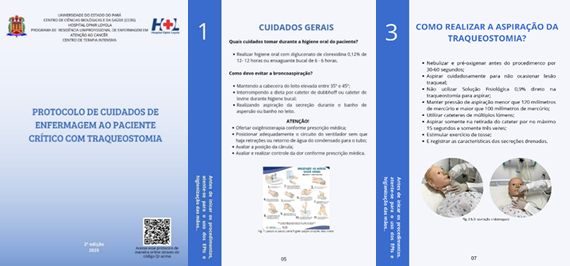
Based on the content validity evidence obtained via the CVI and the experts' qualitative contributions, a systematic review of the protocol was conducted, incorporating substantive modifications that resulted in the instrument's beta version. The decision-making process regarding changes followed these criteria: (1) prioritizing items with a CVI below 0.80; (2) incorporating suggestions mentioned by at least two experts or by 33.3% of qualitative respondents; (3) including modifications grounded in up-to-date scientific evidence; (4) ensuring compatibility with current national and international clinical guidelines; and (5) ensuring implementation feasibility without compromising the material's clarity and objectivity. In response to the most frequent category of qualitative suggestions (66.7%), nine original illustrations along with one from the National Health Surveillance Agency (ANVISA) were developed and incorporated throughout the protocol, strategically distributed across key technical topics. These illustrations cover: step-by-step hand hygiene; endotracheal suctioning; the cuff manometer and its use; cuffed plastic tracheostomy tubes; tube securing; and the technique for dressing the peristomal skin. As suggested by one of the experts, strategically placed QR codes were incorporated, linking to scientific articles and an educational video on emergency management for critically ill patients with a tracheostomy on mechanical ventilation.
In response to category three identified during the qualitative analysis and aiming to strengthen item 1.5 (which had a CVI of 0.625), two new specific topics were added to the protocol. Topic nine, titled "What are the possible emergencies and complications related to tracheostomy?" and spanning one page, presents a concise description of the main complications: minor hemorrhages, peristomal bleeding, incorrect cannula positioning, tracheomalacia, coughing, cannula occlusion due to secretions, dysphagia and dysphonia, aspiration, infection, accidental decannulation, and air leakage.
Topic ten, "How should possible emergencies and complications related to tracheostomy be managed?" also one page long provides objective, evidence-based guidelines on initial nursing actions for each critical situation, emphasizing the need for immediate communication with the medical team and the activation of institutional emergency protocols where applicable. This content aims to prepare professionals to act safely and effectively in urgent situations, a critical aspect of patient safety.
The "References" section contains twelve citations from scientific sources that underpinned the protocol's development. These references include a standard textbook on nursing procedures; seven original scientific articles published between 2018 and 2025 in indexed journals, covering tracheostomy care, complication management, professional knowledge, procedure validation, educational videos, and the use of specific devices; an integrative review on nursing care for patients with tracheostomies; a scoping review on surgical techniques and complications; a study on evidence-based practice; and a study mapping techniques and complications associated with the procedure.
The references encompass both domestic and international scientific literature comprising five Brazilian and seven international publications ensuring a scientifically up-to-date and contextualized foundation. All references were formatted according to the standards of the Brazilian Association of Technical Standards (ABNT) and listed alphabetically, facilitating consultation for professionals seeking a deeper theoretical understanding of the topics covered in the protocol.
Stylistic revisions were made to several paragraphs, making the text more concise without compromising the completeness of the information. The layout was enhanced through appropriate spacing, visual bullet points, and a clear content hierarchy. The beta version of the protocol comprising 20 pages and thirteen topics was registered as an intellectual work and is publicly available in an interactive digital format at the following URL: https://heyzine.com/flip-book/cfc0092f1f.html. The material features a professional layout and graphic design optimized for reading on mobile devices (tablets and smartphones), enabling quick bedside reference.
Figure 1 - Illustrations from the protocol pages, Brazil, 2025.
 |
Source: Author's own work, 2026
DISCUSSION
The study findings demonstrate that the developed educational protocol was highly accepted by the experts particularly regarding its relevance showing a consensus on its significance, impact, and ability to engage the target audience. These results indicate that the proposed educational technology meets the training needs of nursing staff caring for critically ill patients with tracheostomies undergoing invasive mechanical ventilation. It aligns with the GUIDED framework, which emphasizes expert evaluation as an essential step to ensure the pertinence, clarity, and applicability of educational interventions prior to their implementation in clinical practice(20).
In this context, the expert validation process was crucial for establishing the protocol's feasibility, legitimacy, and credibility; the evaluation committee’s technical-scientific assessment allowed for the identification of both the strengths and weaknesses of the material's initial version. Literature indicates that content validation contributes to the standardization of care practices, the improvement of care quality, risk reduction, and the strengthening of nurses' autonomy in clinical decision-making, while also facilitating the effective integration of these technologies into the care setting(10,21). Furthermore, rigorous evaluation of educational technologies is essential to ensure their practical effectiveness and to foster positive impacts on patient quality and safety indicators(21).
It is worth noting that all participating experts held a master's degree (stricto sensu), ensuring a solid technical-scientific foundation for the evaluation process. The advanced academic background of these professionals fosters a command of the methodological principles involved in developing and validating health technologies, thereby lending greater robustness to their assessments and enhancing the reliability of the results as highlighted in methodological studies on the evaluation of educational technologies(23).
Another relevant finding is that the majority of the experts reported not using specific protocols for the care of critically ill patients with tracheostomies undergoing invasive mechanical ventilation in their respective practice settings. This result highlights a significant gap in the standardization of care and reinforces the need for tools to guide professional practice, thereby contributing to patient safety and the quality of care(10). In this regard, the development of care protocols strengthens the nurse's role, enhances their capacity for care management, and fosters the creation of a comprehensive and effective care pathway for this patient profile(24).
Regarding content validity, the protocol achieved a satisfactory global CVI (CVI = 0.85), exceeding the minimum cutoff point established in the literature (CVI ≥ 0.70). Although the relevance domain achieved full consensus among the experts (CVI = 1.00), the objectives and structure/presentation domains while adequate prompted suggestions for improvement. This result reinforces the iterative nature of developing educational technologies, wherein validation is not limited to mere approval of the material but guides successive adjustments and refinements, as recommended in methodological studies(9).
Analysis of Block 1 (objectives: purposes, goals, or aims) revealed a positive assessment regarding the clarity and relevance of the content, indicating that the protocol was considered instructive and aligned with the educational proposal. However, the experts pointed out the need to include guidelines on managing emergencies and complications associated with tracheostomy. Incorporating this recommendation strengthened the subsequent version of the protocol, thereby increasing its potential impact on clinical practice.
The literature highlights that the use of protocols as standardized care models contributes to the reduction of complications, by offering systematized support to nursing professionals in the care of critical patients, in addition to preventing adverse events, reducing costs related to hospital stays and qualifying the assistance provided(22,25).
In block 2, structure and presentation: organization, strategy, coherence and sufficiency, the results were also considered satisfactory, although relevant suggestions related to the need for greater interactivity of the material emerged. The item referring to interactive language presented the lowest CVI among all those evaluated, a result that was largely corroborated by the qualitative comments of the experts. This finding motivated a careful review of the content, with a view to making the protocol more dynamic, attractive and functional for everyday use. Educational technologies with an interactive character favor greater reader engagement, stimulate critical-reflective thinking and enhance the retention of knowledge, especially when aimed at permanent health education(27).
Qualitative suggestions also highlighted the importance of including visual resources, such as illustrations and graphic elements, considered essential in educational materials aimed at clinical practice. The incorporation of illustrative figures sought to facilitate the understanding of the information, increase the interest of the target audience and favor the applicability of the protocol at the bedside. These visual resources, combined with the clear and objective organization of the content, contribute to making the material more accessible and effective in supporting the care actions developed by nurses(28).
In block 3, relevance: significance, impact, motivation and interest, absolute agreement was observed among experts, showing that the protocol addresses pertinent, current and necessary themes for the practice of nursing in intensive care. The suggestion to include bibliographic references was promptly incorporated, strengthening the scientific rigor of the material and encouraging evidence-based practice. The availability of the sources used allows for theoretical deepening by professionals and increases the credibility of the protocol as a scientifically based educational technology(29).
The revised version of the protocol, created from the integration of quantitative and qualitative data, resulted in easy-to-use educational material, with the potential to support continuing education actions and qualify the care provided to critically ill patients with tracheostomy undergoing invasive mechanical ventilation. Educational technologies play a fundamental role in disseminating knowledge in a dynamic and accessible way, acting as support for the care process and strengthening nurses' performance in different care scenarios(7,27).
This study has as a limitation the small number of participating experts, as well as the use of snowball indication sampling, which may restrict the diversity of the sample. However, data collection in an electronic environment enabled the participation of experts with different experiences and healthcare realities, in addition to allowing the integration of quantitative and qualitative analyses, which contributed to greater depth and consistency in the evaluation process.
Finally, this study contributes to strengthening the operationalization of nursing care for critically ill patients with tracheostomy undergoing invasive mechanical ventilation, by providing a protocol validated in terms of content and based on the best available evidence. Furthermore, it adds value to the field of care management and educational health technologies, by proposing a tool capable of promoting the standardization of practices, patient safety and the qualification of nursing care.
CONCLUSIONS
The nursing care protocol for critically ill patients with a tracheostomy undergoing invasive mechanical ventilation demonstrated adequate content validity according to expert evaluation, with a global Content Validity Index (CVI) of 0.85 and absolute consensus regarding relevance. Identifying specific weaknesses related to the capacity to foster behavioral changes and the interactivity of the language enabled substantial refinement of the material, resulting in a more comprehensive, interactive, and clinically oriented beta version. The strong convergence between quantitative and qualitative data reinforced the validity of the findings and provided concrete direction for the modifications implemented. This study contributes to strengthening the operationalization of nursing care for critically ill patients with a tracheostomy and to equipping teams with the means to standardize work processes. The protocol is now ready for the clinical validation stage, where its applicability, acceptability, and impact in real-world care settings will be evaluated.
REFERENCES
1. Gorman EA, O'Kane CM, McAuley DF. Acute respiratory distress syndrome in adults: diagnosis, outcomes, long-term sequelae, and management. The Lancet [Internet]. 2022 [cited 2024 nov 23];400(10358):1157–70
2. Walter K. Mechanical ventilation. Jama [Internet]. 2021 [cited 2024 nov 2];326(14):1452. doi:10.1001/jama.2021.13084.
3. American Thoracic Society. Mechanical ventilation. Am J Respir Crit Care Med. 2017;196:3–4.
4. Pertussati E, Donoso MTV, Matos SS, Lima LKB, Simino GPR, Oliveira BV. Condições envolvidas na realização de traqueostomia em pacientes internados em unidade de terapia intensiva. Enferm Foco. 2021;12(3):469-74. doi:10.21675/2357-707X.2021.
5. Bustamante PFO, Besen BAMP, Botêga AP, Cadamuro FM, Park M, Mendes PV, et al. Intensivist-led ultrasound-guided percutaneous tracheostomy: a phase IV cohort study. Crit Care Sci. 2024;35:402-10. doi:10.5935/2965-2774.20230174.
6. Sinchire BMM, Torres MEV, Juela NJJ, Guerrero MCD. Intervenciones de enfermería en el manejo de pacientes con traqueostomía en unidades de cuidados intensivos: una revisión sistemática. Ciência Latina. 2025;9(2):453-95. doi: 10.37811/cl_rcm.v9i2.16858.
7. Cardoso DFF, Lima FC, Teixeira E, Souza ERC, Santana ME, Simor A, et al. Cuidados de enfermería a pacientes con traqueostomía en ventilación mecánica: vídeo educativo. Cogitare Enferm. 2025;30:e95690. doi: 10.1590/ce.v30i0.98936
8. Fernandes PIRA. A intervenção do enfermeiro de reabilitação no processo de descanulação e encerramento da traqueostomia: revisão da literatura [tese]. Setubal: Escola Superior de Saúde, Instituto Politécnico de Setubal; 2023. doi: 10.48492/servir0207.30180
9. Gigante VCG, Oliveira RC, Ferreira DS, Teixeira E, Monteiro WF, Martins ALO, et al. Construção e validação de tecnologia educacional sobre consumo de álcool entre universitários. Cogitare Enferm. 2021;26:e71208. doi: 10.5380/ce.v26i0.71208.
10. Côrte MMD, Vicente LCC, Friche AADL. Validação de conteúdo de protocolo de decanulação de pacientes adultos traqueostomizados. CoDAS. 2023;35:e20210266. doi: 10.1590/2317-1782/20232021266pt
11. Rocha SL. Validação de produtos educacionais em ensino em saúde [tese]. Belém: Universidade do Estado do Pará; 2021.
12. Teixeira PMM, Megid J. Uma proposta de tipologia para pesquisas de natureza interventiva. Ciênc Educ (Bauru). 2017;23(4):1055-76. doi: 10.1590/1516-731320170040013.
13. Coluci MZO, Alexandre NMC, Milani D. Construção de instrumentos de medida na área da saúde. Cien Saude Colet. 2015;20(3):925-36. doi: doi.org/10.1590/1413-81232015203.04332013
14. Teixeira E, Nascimento MHM. Pesquisa metodológica: perspectivas operacionais e densidade participativa. Desenvolvimento de Tecnologias Cuidativo-Educacionais. 1ª ed. Porto Alegre: Editora Moriá; 2020.
15. Szwarcwald CL, Malta DC, Barros MBA, Júnior PRBS, Romero D, Almeida WDS et al. Associations of sociodemographic factors and health behaviors with the emotional well-being of adolescents during the COVID-19 pandemic in Brazil. Int J Environ Res Public Health. 2021;18(11):6160. doi: 10.3390/ijerph18116160.
16. Leite SS, Carvalho LV, Silva JM, Almeida PC, Pagliuca LMF. Construction and validation of an educational content validation instrument in health. Rev Bras Enferm. [Internet]. 2018;71(4):1635–41. doi: 10.1590/0034-7167-2017-0648.
17. Ribeiro GF, Silva TSC, Almeida RJC, Moreira V, Santos LF, et al. Elaboração de um questionário de pesquisa: validação com especialistas e estudo com o Coeficiente Alfa de Cronbach. Prod Prod. [Internet]. 2021;22(3):38–68. doi: 10.22456/1983-8026.112424
18. Freitas ALP, Rodrigues SG. A avaliação da confiabilidade de questionários: uma análise utilizando o Coeficiente Alfa de Cronbach. In: XII Simpósio de Engenharia da Produção; 2005; Bauru, SP. Bauru: UNESP; 2005. p. 1–12.
19. Polit DF, Beck CT. Fundamentos de pesquisa em enfermagem: avaliação de evidências para a prática da enfermagem. Tradução: Maria da graça Figueiró da Silva Toledo. 9ª ed. Porto Alegre: Artmed; 2019.
20. Sakamoto SR, Fusco SFB, Nunes HRC. Construction and validation of a video lesson on risk assessment for diabetic foot. Acta Paul Enferm. [Internet]. 2025;38:eAPE0003382. doi: 10.37689/acta-ape/2025AO0003382i.
21. Sousa AR, Santos GLA, Salbego C, Santana TS, Félix NDC, Santana RF, et al. Tecnologia gerencial para implementação da Sistematização da Assistência de Enfermagem. Rev Esc Enferm USP. [Internet]. 2022;56:e20220028. doi: 10.1590/1980-220X-REEUSP-2022-0028en
22. Koller FJ, Silva FP, Liberato PM. Difficulties and potentials in tracheostomy management: a bibliographic review. Rev Saúde Desenvolv. [Internet]. 2025 2022;19(30):129–40. doi: 10.22169/revsed.v19n30.1476
23. Cassiano AN, Silva CJA, Nogueira ILA, Elias TMN, Teixeira E, Menezes RMP. Validation of educational technologies: bibliometric study in nursing theses and dissertations. Rev Enferm Cent-Oeste Min. [Internet]. 2020;10:e3900. doi: 10.19175/recom.v10i0.3900
24. Lima FC, Neves WFS, Dias ALL, Mendes CP, Simor A, Pimentel IMS, et al. Nursing care protocol for critical users with tracheostomy under mechanical ventilation. Rev Bras Enferm. [Internet].2024;77(2):e20230337. doi: 10.1590/0034-7167-2023-0337pt.
25. Bittencourt VLL, Graube SL, Benetti ERR, Fontana RT, Rodrigues FCP, Fonseca C. Care, challenges, and difficulties of the surgical nursing team in caring for patients undergoing tracheostomy. Estima Braz J Enterostomal Ther. [Internet]. 2025;22:e1617. doi: 10.30886/estima.v22.1617_PT
26. Gomes BF, Ribeiro JHM. The permanent health education for critical care nursing: qualitative study. J. nurs. health. [Internet]. 2023;13(2):e1322575. doi: 10.15210/jonah.v13i2.22575.
27. Lima ACMACC, Bezerra KC, Sousa DMN, Vasconcelos CTM, Coutinho JFV, Oriá MOB. Educational technologies and practices for prevention of vertical HIV transmission. Rev Bras Enferm. [Internet]. 2018;71(3):1759–67. doi: 10.1590/0034-7167-2016-0333
28. Ribeiro ASR, Silva JG, Ferreira CRS, Pena JLC, Santos KC, Pena LDS, et al. Construction and validation of educational technology on insulin therapy: methodological study. Cogitare Enferm. [Internet]. 2023;28:e85412. doi: 10.1590/ce.v28i0.89207.
29. Sena MRLS, Moura MV, Matos JC, Walter KC. Knowledge of nurses about the importance of the use of care protocols: Collective subject discourse. Res Soc Dev. [Internet]. 2021;10(1):e15810111186. doi: 10.33448/rsd-v10i1.11186.
Funding and Acknowledgments:
This study was self-funded.
Data availability statement
No datasets were generated in this study. The information presented is described in the body of the article.
Conflict of interest statement
None to declare.
Author contributions
Lívia dos Santos da Silva: Substantial contributions to the conception or design of the study; or the acquisition, analysis, or interpretation of study data; drafting and critical revision of the intellectual content of the study; approval of the final version of the study to be published.
Ravenna Cardoso dos Santos: Substantial contributions to the conception or design of the study; or the acquisition, analysis, or interpretation of study data; drafting and critical revision of the intellectual content of the study; approval of the final version of the study to be published.
Fernando Conceição de Lima: Substantial contributions to the conception or design of the study; or the acquisition, analysis, or interpretation of study data; drafting and critical revision of the intellectual content of the study; approval of the final version of the study to be published. Responsible for all aspects of the study, ensuring the accuracy or integrity of any part of the study.
Taís dos Passos Sagica: Substantial contributions to the conception or design of the study; or the acquisition; approval of the final version of the study to be published.
Antonio Jorge Silva Correa Júnior: Substantial contributions to the conception or design of the study; or the acquisition; approval of the final version of the study to be published.
Ingrid Magali de Souza Pimentel: Substantial contributions to the conception or design of the study; drafting and critical revision of the intellectual content of the study; approval of the final version of the study to be published.
Hannah Carolyne Pires Freire: Acquisition, analysis, or interpretation of study data; approval of the final version of the study to be published.
Mary Elizabeth de Santana: Substantial contributions to the conception or design of the study; or the acquisition, analysis, or interpretation of study data; drafting and critical revision of the intellectual content of the study; approval of the final version of the study to be published. Responsible for all aspects of the study, ensuring the accuracy or integrity of any part of the study.
Scientific Editor: Ítalo Arão Pereira Ribeiro. ORCID: https://orcid.org/0000-0003-0778-1447
Rev Enferm Atual In Derme 2026;100(3): e026090