REVIEW ARTICLE
PREVENTIVE MEASURES FOR CHRONIC KIDNEY DISEASE IN THE POPULATION: MANAGEMENT OF CHRONIC DISEASES AS A PRIMARY FACTOR
MEDIDAS PREVENTIVAS DA DOENÇA RENAL CRÔNICA NA POPULAÇÃO: CONTROLE DAS DOENÇAS CRÔNICAS COMO FATOR PRIMÁRIO
MEDIDAS PREVENTIVAS DE LA ENFERMEDAD RENAL CRÓNICA EN LA POBLACIÓN: EL CONTROL DE LAS ENFERMEDADES CRÓNICAS COMO FACTOR PRINCIPAL
https://doi.org/10.31011/reaid-2026-v.100-n.3-art.2860
¹Maicon Monteiro dos Reis
²Jaqueline Monteiro dos Reis
³Gabriele Sauthier Romano de Melo
1Enfermeira. UniCesumar. Maringá – Paraná, Brazil. ORCID: https://orcid.org/0009-0006-2021-9001.
2Enfermeira - UniCesumar Maringá – Paraná, Brazil. ORCID: https://orcid.org/0009-0004-8188-6532.
³Bióloga – Universidade Estadual de Maringá (UEM). Maringá, Paraná, Brazil; UniCesumar – Maringá, Paraná, Brazil. ORCID: https://orcid.org/0000-0001-6677-2407.
Corresponding Author
Universidade Estadual de Maringá (UEM). UniCesumar –Av. Guedner, 1610 - Jardim Aclimacao, Maringá – PR - Brazil, CEP; 87050-900 - E-mail: gubimelo@gmail.com
Submission: 08-07-2026
Approval: 09-09-2026
ABSTRACT
Introduction: Chronic kidney disease is defined as impaired kidney function lasting for more than 3 consecutive months, as evidenced by changes in kidney function biomarkers detected through laboratory tests, indicating a decline in kidney function. According to the Epidemiological Bulletin, the incidence of this condition has been increasing in Brazil over the past few years. Objective: To identify the characteristics of the affected population and the vulnerabilities associated with the main factors linked to the causes of chronic kidney disease in Brazil and worldwide. Method: This is an integrative literature review of an exploratory and descriptive nature, employing a qualitative approach and using relevant guiding questions for the selection and inclusion of studies published between 2021 and 2026. Results: Thirty-seven studies were included, including articles and websites, with national and international evidence correlating chronic kidney disease with hypertension, diabetes mellitus, obesity, e-cigarette use, and advanced age, associated with social, individual, and behavioral factors. Discussion: The presence of underlying diseases is a major determinant for the development of chronic kidney disease over time, and when associated with cardiovascular factors, it potentially increases the likelihood of developing advanced stages requiring renal replacement therapy and leading to early mortality. Final considerations: Primary Health Care plays an important role in managing underlying conditions and preventing chronic kidney disease, as well as in changing the epidemiological trends in the coming years to increase monitoring of at-risk populations.
Keywords: Chronic Renal Failure; Systemic Hypertension; Diabetes Mellitus; Epidemiology.
RESUMO
Introdução: A Doença Renal Crônica é definida como a alteração da função renal por um período maior que 3 meses consecutivos evidenciados por alterações nos biomarcadores da função renal mediante coleta de exames amostrais, configurando um quadro de piora da função renal e que vem tendo aumento da incidência ao longo dos últimos anos no Brasil, segundo o Boletim Epidemiológico. Objetivo: Identificar a característica do público prevalente e as fragilidades diante dos principais fatores associados à causa de Doença Renal Crônica no Brasil e no Mundo. Método: Trata-se de uma revisão integrativa de literatura, de caráter exploratório e descritivo, com abordagem qualitativa e emprego de questões norteadoras pertinentes para seleção e inclusão de estudos publicados entre 2021 e 2026. Resultados: 37 estudos foram incluídos, entre eles artigos e sites, com evidências nacionais e internacionais correlacionando Doença Renal Crônica com Hipertensão Arterial Sistêmica, Diabetes Mellitus, Obesidade, uso de cigarro eletrônico e idade avançada, associados à fatores sociais, individuais e comportamentais. Discussão: A presença das doenças de base configura importante fator determinante para o desenvolvimento de Doença Renal Crônica ao longo do tempo, e quando associado à fatores cardiovasculares, aumentam potencialmente as chances de desenvolver quadros avançados e com necessidade de Terapia Renal Substitutiva e mortalidade precoce. Considerações finais: A Atenção Primária à Saúde tem papel importante no controle das doenças de base e prevenção de Doença Renal Crônica, bem como na mudança da evolução epidemiológica nos próximos anos de forma a aumentar o monitoramento da população de risco.
Palavras-chave: Doença Renal Crônica; Insuficiência Renal Crônica; Hipertensão Arterial Sistêmica; Diabetes Mellitus; Epidemiologia.
RESUMEN
Introducción: La enfermedad renal crónica se define como la alteración de la función renal durante un período superior a tres meses consecutivos, evidenciada por cambios en los biomarcadores de la función renal mediante la recogida de muestras para análisis, lo que configura un cuadro de deterioro de la función renal y cuya incidencia ha ido en aumento a lo largo de los últimos años en Brasil, según el Boletín Epidemiológico. Objetivo: Identificar las características de la población afectada y las vulnerabilidades frente a los principales factores asociados a la causa de la enfermedad renal crónica en Brasil y en el mundo. Método: Se trata de una revisión integradora de la literatura, de carácter exploratorio y descriptivo, con un enfoque cualitativo y el uso de preguntas orientativas pertinentes para la selección e inclusión de estudios publicados entre 2021 y 2026. Resultados: Se incluyeron 37 estudios, entre ellos artículos y sitios web, con evidencia nacional e internacional que correlaciona la enfermedad renal crónica con la hipertensión arterial sistémica, la diabetes mellitus, la obesidad, el uso de cigarrillos electrónicos y la edad avanzada, asociados a factores sociales, individuales y conductuales. Discusión: La presencia de enfermedades subyacentes constituye un importante factor determinante para el desarrollo de la enfermedad renal crónica a lo largo del tiempo y, cuando se asocia a factores cardiovasculares, aumenta potencialmente el riesgo de desarrollar cuadros avanzados que requieran terapia renal sustitutiva y de mortalidad precoz. Consideraciones finales: La atención primaria de salud desempeña un papel importante en el control de las enfermedades subyacentes y en la prevención de la enfermedad renal crónica, así como en la transformación de la evolución epidemiológica en los próximos años, con el fin de mejorar el seguimiento de la población de riesgo.
Palabras clave: Enfermedad renal crónica; Insuficiencia renal crónica; Hipertensión arterial sistémica; Diabetes mellitus; Epidemiología.
INTRODUCTION
Chronic kidney disease (CKD) is a condition characterized by structural and functional abnormalities of the kidneys lasting for more than 3 months. It is initially silent and potentially harmful over the years when it remains undiagnosed and is not adequately treated. CKD is indicated by abnormal laboratory findings for creatinine and albumin, which provide values used to assess renal function by calculating the albumin-to-creatinine ratio (ACR) and estimated glomerular filtration rate (eGFR). These are the recommended biological markers for diagnostic assessment in the entire population at risk(1)
Older adults and individuals with hypertension (HT) and diabetes mellitus (DM) are part of the population at risk of developing kidney injury due to aging and, particularly, continuous damage to renal microstructures caused by persistent high blood pressure and oxidative factors. These conditions are frequently observed in individuals with HT and DM(1) with persistent decompensation(2). This is common among many individuals over 60 years of age who have been receiving deficient or irregular treatment for their chronic noncommunicable disease (NCD). For these older adults, the causes include difficulties in adhering to pharmacological treatment due to polypharmacy(3), lack of access to public health resources, such as physical activity and leisure activities, lack of guidance, and other possible multifactorial factors involving the individuality of this population and its relationship with the healthcare system. On the other hand, young smokers have been incorporated into the CKD risk group in Brazil and worldwide(4), representing a concerning change in the health of this population due to the emergence and mass commercialization of electronic cigarettes in the country and their strong uptake among young people. This entails potential risks that should also be intensively addressed through health policies(4) and, more directly, by Basic Health Units (BHUs)(5) throughout the country, in order to raise awareness of potential damage to the renal system and the potential progression to acute kidney injury (AKI), which is characterized by temporary loss of renal function(6).
In Brazil, CKD affects approximately 6.7% of the adult population, based on laboratory criteria, according to the Epidemiological Bulletin(6) published by the Ministry of Health (MoH) in 2024, entitled “Cenário da Doença Renal Crônica no Brasil no período de 2010 a 2023”. The bulletin updates the epidemiological profile of CKD in the country and reveals an irregular upward trend in the number of known cases, hospitalizations, deaths, and costs to the Unified Health System (SUS – Sistema Único de Saúde). The epidemiological profile raises concerns: NCDs continue to be the main causes of renal complications and triggers of worsening conditions(7), as well as hospitalizations for kidney injury, signaling to the healthcare system the existence of deficiencies in the treatment and control of underlying diseases, as well as in their prevention. CKD prevention is strongly linked to NCD control(8). Regular maintenance of blood pressure (BP), glycemic control, and the use of renoprotective medications help prevent renal vascular and microvascular damage(9), thereby preventing progression to early-stage kidney disease. Given the context presented in the recent Epidemiological Bulletin published by the MoH, and considering the importance of diagnostic and preventive measures related to effective treatment of NCDs for CKD prevention and complications associated with AKI, a review is needed to determine which populations are at risk, which recent behaviors identified in these populations are directly interfering with comorbidity treatment and prevention, and which possible approaches can be pursued by Primary Health Care (PHC) to change the epidemiological profile in the coming years.
METHODS
This is an integrative literature review with an exploratory and descriptive design and a qualitative approach. This type of study aims to gather scientific literature on the topic addressed and the interconnected guiding questions. The guiding questions of this study were: What population is currently at risk of developing CKD? What is the context and what are the related factors? What is the role of PHC in changing the epidemiological profile? These questions guided the research and are discussed throughout the study.
For study search and selection, the standardized vocabulary of Health Sciences Descriptors (DeCS - Descritores em Ciências da Saúde) was used in combination with the Boolean operator AND. The descriptors were applied to the free online databases PubMed, SciELO, and Virtual Health Library (VHL), using both English and Portuguese. To organize the descriptors used and their respective databases, a chart was prepared containing the descriptors in English used in common in the PubMed and SciELO databases, followed by the descriptors in Portuguese used in VHL, as shown in Chart 1:
Chart 1 – Databases and descriptors used to identify the studies
|
DATABASES |
DESCRIPTORS |
|
PubMed
SciELO
|
Renal Insufficiency, Chronic; Nursing Care AND Qualitative Research; Cross-Sectional Studies AND Brazil; Primary Health Care AND Brazil; Medication Adherence AND Hypertension; Qualitative Research AND Brazil; Renal Insufficiency, Chronic AND Risk Factors; Oxidative Stress AND Renal Insufficiency, Chronic; Risk Factors AND Brazil AND Hypertension; Cross-Sectional Studies AND Renal Insufficiency, Chronic; Leadership AND Clinical Competence; Leadership AND Brazil; Renal Insufficiency, Chronic AND Diabetes Mellitus; Risk Factors AND Diabetes Mellitus; Chronic Disease AND Telemedicine; Polypharmacy AND Prevalence. |
|
VHL |
Insuficiência Renal Crônica; Cuidados de Enfermagem AND Pesquisa Qualitativa; Estudos Transversais AND Brasil; Atenção Primária à Saúde AND Brasil; Adesão à Medicação AND Hipertensão; Pesquisa Qualitativa AND Brasil; Insuficiência Renal Crônica AND Fatores de Risco; Estresse Oxidativo AND Insuficiência Renal Crônica; Fatores de Risco AND Brasil AND Hipertensão; Estudos Transversais AND Insuficiência Renal Crônica; Liderança AND Competência Clínica; Liderança AND Brasil; Insuficiência Renal Crônica AND Diabetes Mellitus; Fatores de Risco AND Diabetes Mellitus; Doença Crônica AND Telemedicina; Polimedicação AND Prevalência.
|
Source: The authors, 2026.
The database search using the descriptors included the application of the “Brazilian collections” filter in SciELO and VHL, whereas the “Brazilian collections” filter was not applied in PubMed for screening. Only the publication period criterion was used, with studies indexed over a five-year period, specifically between April 1, 2021, and May 31, 2026. Initially, a total of 166,787 studies were identified. After duplicate removal, titles were screened, and 136,292 studies with research focuses that differed from the guiding questions of this study were excluded, resulting in 8,097 studies. Their titles and abstracts were then screened to select eligible studies, excluding those that did not address the guiding questions, resulting in 32 studies that were read in full.
“Studies using other methods” were included, corresponding to bulletins, studies, and/or protocols available on websites that provide guidance to Brazilian and international public administrations regarding HT and CKD. These were added to the studies already included from the databases to compose the full set of studies forming the critical analysis of the CKD scenario based on the previously established guiding questions. “Studies using other methods” were not collected from databases, and the descriptors were not used to retrieve them. Instead, they were searched on the web before before the sample was collected, whereas the latter was conducted in the databases. A total of 37 studies were included, freely available in Portuguese, English, and/or Spanish. In addition, among the 37 studies was a work consulted on the Springer Nature Link website. Scientific trends regarding electronic cigarettes were investigated in the American collection “Electronic Cigarettes: Emerging Trends”, available in BMC Public Health, and one study was included(4). To illustrate the methodological stages of the sample collection process, a flowchart adapted from the PRISMA 2020 model(10) was developed, containing the identification, screening, and inclusion stages of the studies, quantitatively specifying the selection, exclusion, and inclusion processes for studies by “database” and “other methods” (websites), as shown in Figure 1.
Figure 1 – Flowchart of the selection of studies included, adapted from PRISMA 2022.
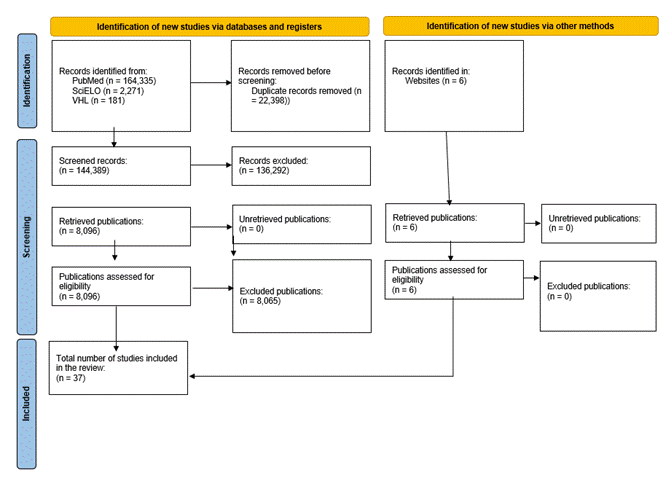
Source: Flow diagram adapted and translated from PRISMA 2020(10).
The selected articles that were read in full were analyzed and associated with one of the guiding questions according to their content and potential to address the questions. Finally, all articles were summarized, and relevant information was extracted from them to provide a basis for addressing the guiding questions. The articles were retrieved from the aforementioned databases, and their critical analysis in relation to the guiding questions was conducted between April and May 2026.
RESULTS
Based on the analysis of the studies, 37 publications met the inclusion criteria. These publications were recent, having been published within the previous five years, and had the potential to address the study’s guiding questions, which aimed to characterize recent evidence on factors influencing CKD and epidemiological changes associated with recent social and behavioral changes and the personal therapeutic context of older adults and individuals with chronic diseases. Selection also included studies published during the same period that had the potential to characterize recent evidence on the management of risk factors previously identified by the selected studies, thereby characterizing the role of PHC in the epidemiological control of CKD in the current context(6).
DISCUSSION
1. Population at risk for chronic kidney disease:
CKD is characteristically a silent disease, with an estimated prevalence of 10% of the world’s population according to the World Health Organization, as reported in the 2024 Epidemiological Bulletin. This bulletin resulted from a recent study on the CKD scenario in Brazil between 2010 and 2023. It presents the results of assessments of various indicators during this period and, consequently, describes the epidemiological profile, including estimates of incidence, prevalence, mortality, costs to the healthcare system, and future perspectives for the Brazilian and global scenarios.
The population at significant risk for CKD included men, individuals over 60 years of age, and people with HT and/or DM. In the analysis of the Brazilian context, this population was also associated with risk factors such as lower socioeconomic status, lower educational attainment, and risk behaviors, such as excessive alcohol consumption and/or smoking. These risk behaviors were predominantly associated with the male population(6).
The Kidney Disease: Improving Global Outcomes organization defines CKD as an abnormality of kidney structure and/or function lasting more than 3 months(11), indicated primarily by changes in glomerular filtration rate (GFR) and albuminuria. GFR is considered abnormal at values ≤60 mL/min/1.73 m². In general, the disease is classified into five stages according to GFR (G1–G5), ranging from a less concerning condition characterized by GFR ≥90 mL/min/1.73 m² (G1) to more severe conditions with a significant reduction in GFR, such as G5 (GFR <15 mL/min/1.73 m²). This means that GFR >60 mL/min/1.73 m² is the threshold for defining CKD over a period of 3 months, and for all individuals with GFR >60, preventive measures related to healthy habits and control of NCDs should be prioritized(8). This population, which is still considered “not affected” by the disease, is an important target for PHC(6).
Established CKD is closely related to continuous kidney damage resulting from poor control of some of the main NCDs, such as DM and HT, with evidence particularly implicating the latter as responsible for most cases of CKD(12). The causal relationship between NCDs and CKD is explained by evidence of renal arteriolar damage caused by oxidative stress, inflammation, and elevated pressure in these vessels that supply the renal microstructures. This is a common pathophysiological circumstance in cases of poor glycemic and BP control among individuals with chronic diseases who do not adequately treat these underlying conditions, particularly DM, HT, and obesity(12). The persistence of this damage is considered an important factor in the silent development of CKD in individuals with chronic diseases (those with an NCD)(8).
The aforementioned underlying diseases have increased over the past several years, and their prevalence is expected to continue increasing in the coming years(6). This will directly affect the epidemiology of CKD, leading to projections of increased incidence of new cases in Brazil, greater irreversible damage, hospitalization, mortality, and healthcare costs. These trends raise important concerns for the health sector: there is a need to investigate the global and Brazilian context and identify the changes contributing to the persistence of cases of HT and DM among individuals receiving ineffective treatment for their underlying diseases. It is also necessary to identify the factors associated with new cases of chronic diseases among young people, a population presenting concerning factors for healthcare services, including behaviors and habits that pose risks for CKD(13). The following section presents evidence related to the multiple factors observed in recent years, involving NCDs among older adults and the general population, as well as factors associated with the younger population.
2. Context and factors associated with the development of chronic kidney disease:
It is well established that HT and DM are the main causal factors for the development of CKD over time(11). This development is more likely in cases of inadequate long-term treatment of these underlying diseases without appropriate monitoring of renal biomarkers(11) to guide optimal compensatory treatment in response to any abnormalities. The contextual factors underlying this NCD scenario and its causal relationship with CKD are therefore relevant aspects of interest for investigation and emphasis. These contextual factors are also of interest to PHC, which should ideally manage them through therapeutic planning and support individualized measures, working toward epidemiological control of NCDs in order to prevent progression to CKD(6). Among young people, obesity and electronic cigarette use are health-related factors with a high incidence and have been associated with the multifactorial group of factors contributing to HT based on evidence from studies, with potential for CKD development through various mechanisms.
A recent Chinese review study(4) included literature presenting research findings that could establish a causal relationship between habitual electronic cigarette use and the development of HT and long-term susceptibility to CKD. Electronic cigarettes are an increasingly marketed product worldwide, particularly among young people, and have become increasingly prevalent in society in the context of innovations in the consumer market for smokers and cigarette users. They have traditionally been marketed through commercial media as less harmful than conventional cigarettes; however, they have harmful effects on human health, as scientifically demonstrated by recent studies addressing the physiological effects of nicotine and other compounds in these products on the body(4). Among the available scientific evidence are findings related to the renal system. The effects are not restricted to the lungs but also include vascular effects that directly affect the renal system, causing overload and deterioration over the period during which the body is exposed to the components of electronic cigarettes, particularly nicotine. This recent study(4) addressed cohort studies comparing nonsmokers, conventional cigarette users, and electronic cigarette users. A causal correlation was identified between the presence of nicotine and oxidative stress in capillaries and worsening renal function.
When biomarkers that tend to increase with electronic cigarette use, such as cotinine (for nicotine), 8-OHdG, and/or 8-isoprostane (for oxidative stress), were compared with indicators of renal function, such as creatinine and albumin levels, elevated values of both types of biomarkers were observed in the smoking population, particularly among electronic cigarette users. These findings suggest a causal correlation with worsening renal function, as evidenced by increased serum creatinine levels and albuminuria, indicating a parallel and interconnected trend between cotinine and 8-OHdG and the renal biomarkers creatinine and albuminuria. Based on the analysis of the values and reviews, the study indicates that oxidative stress biomarkers may have the potential to cause renal capillary damage. Based on eGFR calculations, a reduction in this marker of renal function was observed in the same population, indicating worsening renal function. In this regard, the study suggests a potential relationship between heavy metals and other components of electronic cigarettes and HT and deterioration of the renal capillaries, with an estimated direct impact on filtration over time.
Obesity is another causal factor for CKD among the young population, with a concerning incidence in the epidemiological scenario of recent years(6) and relevance to the renal system(35). The increased incidence in recent years means increased risks of HT, cardiovascular diseases (CVDs), and, consequently, CKD. Obesity is one of the most relevant initial factors for HT, accounting for 65% to 75% of cases(13), and its consideration in health planning is relevant for HT prevention, given its high prevalence and causal relationship with one of the main factors for CKD, namely HT. In recent years, the young population has presented an overweight profile, which draws attention to monitoring and planning for this population. Alcohol consumption is another potential factor in the development of HT, with an estimated 10% to 30% of alcohol consumption being responsible for causing HT(13). Alcohol consumption and obesity are modifiable factors frequently present in the population and, together, contribute to the epidemiological progression of NCDs. This scenario is also associated with the expected increase in the number of people at risk for CKD in the coming years. In addition, the study results(13), based on the 2019 Brazilian National Health Survey (PNS - Pesquisa Nacional de Saúde), reinforce the importance of monitoring and early recognition of new cases, as well as implementing preventive actions focused on health education and lifestyle changes, considering that these factors are potentially modifiable.
Among the older population, polypharmacy poses challenges to therapeutic follow-up(3), affecting the effectiveness of HT and DM management and the achievement of long-term therapeutic goals. The term polypharmacy is commonly associated with the use of five or more medications, and in DeCS, it can be identified by the term “polypharmacy”. Polypharmacy is common among older adults with multiple comorbidities(14), being necessary for many older adults with DM and HT, who may require combinations of multiple medications to achieve therapeutic goals. This implies organizational skills, knowledge of medications, and the ability to administer them, which represent significant challenges for part of the older population, particularly among those with less education and without support from caregivers and/or PHC professionals(3).
A cross-sectional study(3) conducted between 2014 and 2017 among the older population in a city in Rio Grande do Sul investigated difficulties in the use of continuous-use medications (CUMs) among older adults with low educational attainment and lower income who were using polypharmacy. Difficulties in organization and medication management were self-reported by the study population following targeted questions for assessment.
Supporting these findings, a study(15) conducted in Minas Gerais (MG) found that older adults with HT and DM were the most prevalent group among individuals over 60 years of age followed at BHUs who were using polypharmacy. The population characteristics identified were consistent with those reported in other comparative studies, namely, lower socioeconomic status, which affects educational attainment and consequently results in limited knowledge about health and preventive and therapeutic measures for NCDs. This leads to lower pursuit of and access to alternatives to pharmacological treatment and, consequently, to a predominant pattern of polypharmacy. As previously mentioned, polypharmacy refers to the continuous use of five or more medications per day and is a common and problematic pharmacotherapeutic characteristic from the perspective of older adults’ health(15), given that polypharmacy increases susceptibility to drug interactions(16) and treatment ineffectiveness when medications are incompatible. It may also make it difficult to correctly follow the medication regimen established in the medical prescription and therapeutic plan.
The 2019 PNS reveals an increase in the prevalence of DM. A population-based cross-sectional study(17) found that renal complications were the second most common complication of the disease among individuals over 40 years of age with socioeconomic vulnerability and low educational attainment. This situation is aggravated by diagnosis duration over time, increasing disease severity and the emergence of vascular complications, with consequences that lead to increased needs for medical consultations and follow-up(7), also demonstrated by the 2019 PNS. Based on the information presented and the meaning attributed to it, the urgency of diagnostic and therapeutic interventions and the maintenance of strict control of DM can be recognized, as can the prevention of outcomes characterized by complications in other body systems, such as renal dysfunction. In addition, the risk behavior of this population over 40 years of age is also concerning, characterized by failure to use medications prescribed in the therapeutic plan, as reported by some participants during interviews(17). The studies consistently indicate incorrect adherence to pharmacological measures established in individualized therapeutic plans, representing a risk for poor control of underlying diseases and susceptibility to CKD. This supports the need for an approach, individual investigation of the underlying causes, and development of measures to facilitate adherence to pharmacological treatment among individuals with chronic diseases(18), particularly older adults.
Early CKD diagnosis is another potential problem in the Brazilian context(6). Local studies conducted throughout Brazil have revealed difficulties related to access to healthcare services, lack of knowledge among part of the population regarding the existence of underlying diseases, such as DM and HT, in silent and undiagnosed cases, lack of knowledge about CKD risks, and lower use of diagnostic services. Underlying diseases directly affect renal health(11), and early CKD diagnosis is essential for recognizing renal health status and initiating therapeutic planning by BHUs in order to coordinate care for this population(5). First, the underlying diseases, particularly DM and HT, must be identified. Once diagnosed, they should be monitored and controlled according to individuals’ clinical condition in order to effectively prevent CKD(6).
CKD prevention in individuals with HT and DM is partly determined by their knowledge of prevention and health promotion measures and by the population’s knowledge of CKD. A study(19) investigated CKD knowledge among a broad population in a city in Ceará, including an assessment of knowledge about the disease and preventive measures. A low level of knowledge about the disease in general was found. Among those with HT, knowledge was more comprehensive but still superficial, supporting the conclusion that there is a need for greater health education for the general population.
Regarding the risk of CKD among people with DM, some cross-sectional studies indicate a direct impact of individual socioeconomic and educational conditions on treatment adherence and effectiveness, as reflected by biological indicators with unsatisfactory results. This means that low educational attainment and socioeconomic status are determining factors for poorer treatment of underlying diseases. A study(20) assessed the Brazilian population’s knowledge of their own health status, including individuals from various regions of the country. Data were collected on socioeconomic, educational, and racial conditions and correlated with the glycemic control results of each individual, using glycated hemoglobin (HbA1c) as the parameter. This study, based on data from the 2014/2015 PNS, highlights relevant national aspects: most of the population is aware of their DM diagnosis, and most treat their condition with hypoglycemic medications and/or insulin. However, the effectiveness of the treatment adopted by most of the population does not produce satisfactory results, with glycemic control ideally below 6.5% for HbA1c. According to the study, most individuals had HbA1c values above 7%, and in some regions of the country, the population has less knowledge, fewer resources, and lower treatment adherence, as well as risk-related habits such as physical inactivity, smoking, obesity, and an unhealthy diet, possibly associated with the lower socioeconomic status found in these regions, as is the case in the North region. Given the correlation among environmental, behavioral, and political-regional factors, it is necessary to rethink strategies aimed at promoting self-care, using media resources as health education tools. PHC plays a determining role in establishing relationships and ensuring longitudinal follow-up and monitoring(4) of the population receiving care. Regarding DM management, PHC should identify the population at risk, provide guidance to prevent its development, and, among people with DM, monitor their condition and provide self-care guidance on disease management and medication-related measures when this therapeutic approach is used.
Socioeconomic and educational factors represent determinants of access to, utilization of, and adherence to treatment(21), signaling to PHC another modifiable factor that can be addressed through alternative measures in the current scenario. A recent cohort study(21) included adults over 60 years of age in 2015 and revealed that older adults with lower educational attainment, who self-assessed as frail and had lower socioeconomic status, sought healthcare services more frequently than those with higher educational attainment and socioeconomic status. This demonstrates that these factors are determinants of the process of becoming ill and/or receiving treatment for a health condition and lead to increased use of healthcare services. On the other hand, this socioeconomically disadvantaged older population faces greater difficulties in accessing services, given that they are exposed to the flow of the public healthcare system, which is not always fast and/or efficient in meeting their needs. However, the study is limited to assessing and correlating population characteristics with certain factors (aforementioned) and cannot specify the characteristics of the actual difficulties faced by this older population when seeking and using healthcare services. Thus, these factors should be regarded as alerts warranting individual investigation by each BHU of the older population that is disadvantaged and in need of healthcare services, with the aim of recognizing their needs and prioritizing their access to services over that of other younger and/or more advantaged population groups.
3. Chronic kidney disease prevention as a primary factor: role of Primary Health Care in changing the epidemiological profile
Given the assessment of factors identified in recent years regarding the renal health of young and older populations, whether or not they have NCDs, planning of measures by PHC, which is responsible for coordinating care(5), becomes relevant. Given the causal relationship between uncontrolled HT and DM and the progressive development of CKD, investigation and preventive, health-promoting, and harm-reduction measures are relevant for individuals susceptible to these conditions, including older adults, young people with risk behaviors, and individuals with underlying diseases, as well as those without such diseases(6).
In Brazil(22), complementary tests for early CKD diagnosis include creatinine, albumin, and/or eGFR. However, active case finding among at-risk populations (people with DM and HT) through the recommendation and ordering of tests varies across different locations in the country and is sometimes conducted in isolation, without calculating the ACR to establish the diagnosis as intended, or without adequately investigating eGFR in at-risk patients over a period of more than 3 months as intended(22). Investigation of CKD is extremely necessary in potentially susceptible patients for monitoring and controlling disease progression and for the public healthcare system. Early diagnosis is the most sustainable measure for SUS in the long term, given that renal replacement therapy (RRT) represents an enormous annual cost to cover a minority of patients(6). The epidemiological situation and costs to the public healthcare system in Brazil could be improved by developing a new scenario in the future with greater investment in education, awareness of risk factors, and greater control among individuals with NCDs. A study(22) highlights the high costs of RRT to public funds while also supporting the need for changes related to the more rigorous and sustained development of active case-finding efforts to diagnose patients potentially susceptible to CKD in the Brazilian population.
An individual is considered to have CKD(23) when GFR <60 mL/min/1.73 m² and/or when they have abnormal albuminuria values or evidence of structural damage for 3 months. This is a screening method for CKD frequently recommended for all populations at risk of developing CKD, including individuals with DM, HT, obesity, CVD, or other underlying diseases. Annual reassessment of the clinical status of this population is recommended through specific tests for albuminuria and/or creatinine, estimation of ACR and GFR, and frequent reassessment of cardiovascular risks (CVRs), according to the Brazilian Guideline for Hypertension (DBHA)(24) and the Predicting Risk of Cardiovascular Disease EVENTs (PREVENT)(25) tool.
Strategic management by community health workers can enhance the early detection of CKD risk factors in patients with HT and DM through reassessments of lifestyle and adherence to therapeutic plans proposed for individuals monitored by the BHU(26). This can be performed directly through monthly home visits or more frequently according to the priority established based on risks, such as in older adults with a history of uncontrolled BP, glycemia, and/or cholesterol levels in those with dyslipidemia, as well as those without follow-up and/or with frailty and difficulty accessing in-person healthcare services at BHUs.
Patients diagnosed with DM for five years should ideally undergo CKD screening using one or more of the following tests: isolated albuminuria, ACR, serum creatinine, and/or estimated GFR. These are ideal screening parameters for this at-risk population, and active case finding and testing are recommended(1). The search and testing may identify presumptive evidence of kidney injury, as found in a population-based study conducted in MG, in which 41.2% of the diabetic population studied had elevated values for at least one of the kidney injury markers (isolated albuminuria and ACR, primarily). This demonstrates that nearly half of this population undergoing screening had presumptive signs of kidney impairment, revealing a population at risk for CKD development and supporting the need for and effectiveness of active testing by PHC.
A qualitative study(18) conducted with 16 nurses from the 15th Regional Health Division in the state of Paraná identified practical recognition of the potential that digital technologies can offer PHC professionals for the telemonitoring of patients with NCDs being followed at BHUs, with particular emphasis on the use of WhatsApp. The methodology of the study(18) involved telehealth care over several months and data collection regarding remote consultations between November 2022 and January 2023. The results were characterized as potentially useful for providing care to the population and managing high volumes of care that may be unfeasible within the physical structure of the BHU itself. In addition, remote contact demonstrated potential for more frequent follow-up. On the other hand, this potential appears more suitable for younger individuals with an NCD, as they have greater “literacy” and knowledge of digital technologies, experience fewer difficulties communicating remotely, and are better able to follow therapeutic plans. Meanwhile, the older population requires greater digital literacy to maintain this “Chronic Conditions Care Model”.
The use of digital technologies is timely in the current global context and is justified in the care of individuals with chronic diseases at risk for CKD due to the need for constant follow-up resulting from chronicity and the possibility of clinical deterioration due to poor control of the underlying disease(18), thereby facilitating monitoring. To realize this potential in many BHUs, sustained efforts over time are necessary to promote digital literacy among the older population through workshops dedicated to teaching, which can be developed within the physical space of the BHU itself or planned in other settings with support from additional sectors of society. Furthermore, acquiring cell phones for healthcare professionals represents another challenge to be overcome by health administrators(18), as does customizing digital technology according to the interests of the community and the service(27).
A study focused on technological innovation applied to individuals with chronic diseases using polypharmacy(28) included hypertensive adults over 60 years of age receiving pharmacological treatment characterized by polypharmacy involving more than five CUMs, including at least one antihypertensive medication. Among this population monitored by PHC, a physical electronic device with a system designed to facilitate medication-taking at prescribed times and maintain strict control of NCDs through an alarm system at scheduled times was implemented. The system provided alerts regarding the medications to be taken and recorded the times at which they were taken in an internal storage system. The electronic device was developed and implemented specifically in 2013 within PHC. The study sought to assess the efficacy of using the electronic device for medication adherence by assessing BP measurements before and after implementation. Improved medication adherence among older adults was observed(28), with 78.1% of these older adults becoming “more adherent” to medication use, resulting in a reduction in systolic blood pressure (SBP) of 18.5 mmHg between the time of the intervention and after 5 months of BP monitoring following the intervention with the electronic device. The intervention implemented and the monitoring of this at-risk population demonstrated a positive correlation between correct and consistent medication adherence and strict BP control in a population susceptible to incorrect medication use and nonadherence to pharmacological therapy for HT and/or other NCDs, thereby enhancing the prevention of renal complications and minimizing irreversible CKD progression over time.
For HT control in the Brazilian context, the 2025 Brazilian Guideline for Hypertension (DBHA - Diretriz Brasileira de Hipertensão Arterial)(24) provides updates and recommendations regarding prevention, diagnosis, and risk assessment for the development of HT and other CVDs. It emphasizes the role of PHC in monitoring risks and predicting cardiovascular complications, including renal damage, as well as providing guidance on the prevention of complications through nonpharmacological measures (NPMs) and pharmacological measures that protect the kidneys and the entire cardiovascular system. The 2025 version of DBHA is a recent update that is freely available to everyone and addresses health-related aspects of HT, including guidance for healthcare professionals on screening, diagnosis, risk stratification, and the establishment of therapeutic goals for the hypertensive population. The document was jointly developed by the Brazilian Society of Cardiology (SBC - Sociedade Brasileira de Cardiologia), the Brazilian Society of Nephrology (SBN - Sociedade Brasileira de Nefrologia), and the Brazilian Society of Hypertension (SBH - Sociedade Brasileira de Hipertensão). It addresses the identification of clinical correlations with other underlying diseases and environmental factors, as well as providing information on pharmacological and nonpharmacological therapy and current recommendations based on recent BP parameters modified in 2025 following scientific reviews on HT. It considers individuals with persistent SBP values between 120 and 139 mmHg to be prehypertensive, representing a reduction in the threshold parameters and consequently leading to the inclusion of a larger portion of the population in the prehypertensive group.
For HT diagnosis based on an SBP value ≥140 mmHg, SBC strongly recommends the use of one of the out-of-office BP monitoring methods, through home blood pressure monitoring (HBPM) and/or ambulatory blood pressure monitoring (ABPM). HT diagnosis should be preceded by BP measurement using one of the available methods and/or measurements obtained during more than one office visit; however, ABPM remains the gold standard. Diagnosis requires consideration of CVRs/vascular risks (VRs), because when CVR is identified, it represents an important factor, and the diagnosis may be established based on BP measurement during a single visit, since VR is predictive of complications and effects related to increased BP and is a predictive factor for HT.
PREVENT is an equation-based tool developed by the American Heart Association and freely available on the web(25). It is intended to estimate CVR in individuals over 30 years of age without a previous CVD diagnosis(24) and should be applied by cardiologists and/or PHC professionals to estimate the risk of developing CVD over 10 or 30 years based on age, sex, BP, cholesterol, eGFR, Body Mass Index (BMI), history of diseases such as DM, and smoking status. All these factors are entered into the online tool to estimate CVR as a percentage (%) over the next 10 or 30 years. Values >20% over 10 years constitute a positive estimate for high CVR, indicating individuals with a high likelihood of developing CVD, even if they have not yet been diagnosed with these diseases, and are therefore considered to be at high risk for VRs.
Within the diagnostic context of HT, these populations at risk for CVD and/or with CVD diagnosis represent a considerable factor in the medical decision to establish a positive diagnosis of HT. For this population at CVR, the adoption of more comprehensive measures encompassing treatment of risk factors(24) is recommended for those classified by PREVENT as having a >20% risk of CVD. Alternatively, these individuals should be managed through a plan of measures addressing the recognized CVD, in the case of those previously diagnosed with a CVD, such as coronary artery disease, atherosclerotic disease, or other conditions.
The positive impact of PREVENT results from the recognition of factors related to the individual. Depending on the estimated risk over 10 or 30 years, interventions for CVD prevention, as well as HT, should be prioritized, given that CVDs are aggravating factors that may precede HT(24), leading to its development. The analysis and risk estimation process should be performed for all individuals who have risk factors but do not yet have a diagnosis of the underlying diseases, in order to prevent the disease estimated by the calculation from developing after years of persistent exposure to risk factors. Figure 2 presents 2025 DBHA recommendations(24) for the management of the population at risk.
Regarding the initial management of the population at risk and developing HT, DBHA(24) establishes approaches and targets. For all individuals with HT, the BP target is BP <130/80 mmHg; when this value cannot be achieved, the target should be individualized. All individuals who undergo monitoring and for whom SBP and DBP values have been established and who fall into the HT categories (pre-HT, stage 1, 2, or 3 HT) should be followed and assessed by a physician, and CVRs should be identified and classified according to evidence(24), since all of these individuals have VR given their elevated BP, including those who are prehypertensive.
Figure 2 – 2025 Brazilian Guideline for Hypertension recommendations.
|
DIAGNOSIS |
RISK STRATIFICATION |
NONPHARMACOLOGICAL TREATMENT |
PHARMACOLOGICAL TREATMENT |
TARGETS AND FOLLOW-UP |
|
Hypertension Office BP ≥ 140 and/or 90 mmHg On 2 occasions
|
For all individuals with BP ≥ 130 and/or 80 mmHg Clinical and complementary assessment. Identify: CVRs TOD CVD CKD Apply the PREVENT score |
For all: Do not smoke Healthy diet (DASH) BMI 18-24,9 kg/m² Salt intake Potassium intake Regular physical activity Alcohol intake Spirituality practices and stress management |
Combination therapy Stage 1 HT with moderate and hight risk Stage 2 and 3 HT ACE innibitors or ARBs + CCB and/or diuretic BB for specific indications Preferably a single-pill regiment Monotherapy Frail individuals 80 years BP ≥ 130 and/or 80 mmHg with high risk Stage 1 HT with low risk |
Targets for All BP ≥ and/or 80 mmHg Reduce CV risk ABPM or HBPM whenever possible – assess HT phenotypes Follow-up Reassess every 4 weeks until the BP target is achieved always assess treatment adherence Adress therapeutic inertia |
|
Prehypertension Office BP 120-139 and/or 80-89 mmHg
ABPM or HBPM whenever possible – assess HT phenotypes |
|
|
|
|
|
MULTIDISCIPLINARY TEAM Integrated action by healthcare professionals to ensure appropriate diagnosis, treatment adherence, BP control, and follow-up |
||||
|
ABBREVIATIONS BP: blood pressure; ABPM: 24-hour ambulatory blood pressure monitoring; HBPM: home blood pressure monitoring; CVR: cardiovascular disease; TOD: target organ damage; CVD: cardiovascular disease; CKD: chronic kidney disease; BMI: body mass index; HT: hypertension; DIU: thiazide or thiazide-like diuretic; ACE inhibitor:angiotensin-converting enzyme inhibitor; ARB: angiotensin II AT 1 receptor blocker; CCB: calcium channel blocker; HCTZ: hydrochlorothiazide; PREVENT: predicting risk of cardiovascular disease events. |
||||
Source: DBHA(24).